
Introduction
Real estate has always been a high-value industry, but the traditional system is filled with delays, paperwork, and high entry barriers. Investors, developers, and property owners constantly face challenges like slow transactions, heavy documentation, and limited liquidity. However, blockchain technology is introducing a new era—one where real estate tokenization and smart contract development services work together to streamline the entire process.
This combination promises faster deals, lower costs, global accessibility, and a more transparent investment ecosystem.
Understanding Real Estate Tokenization
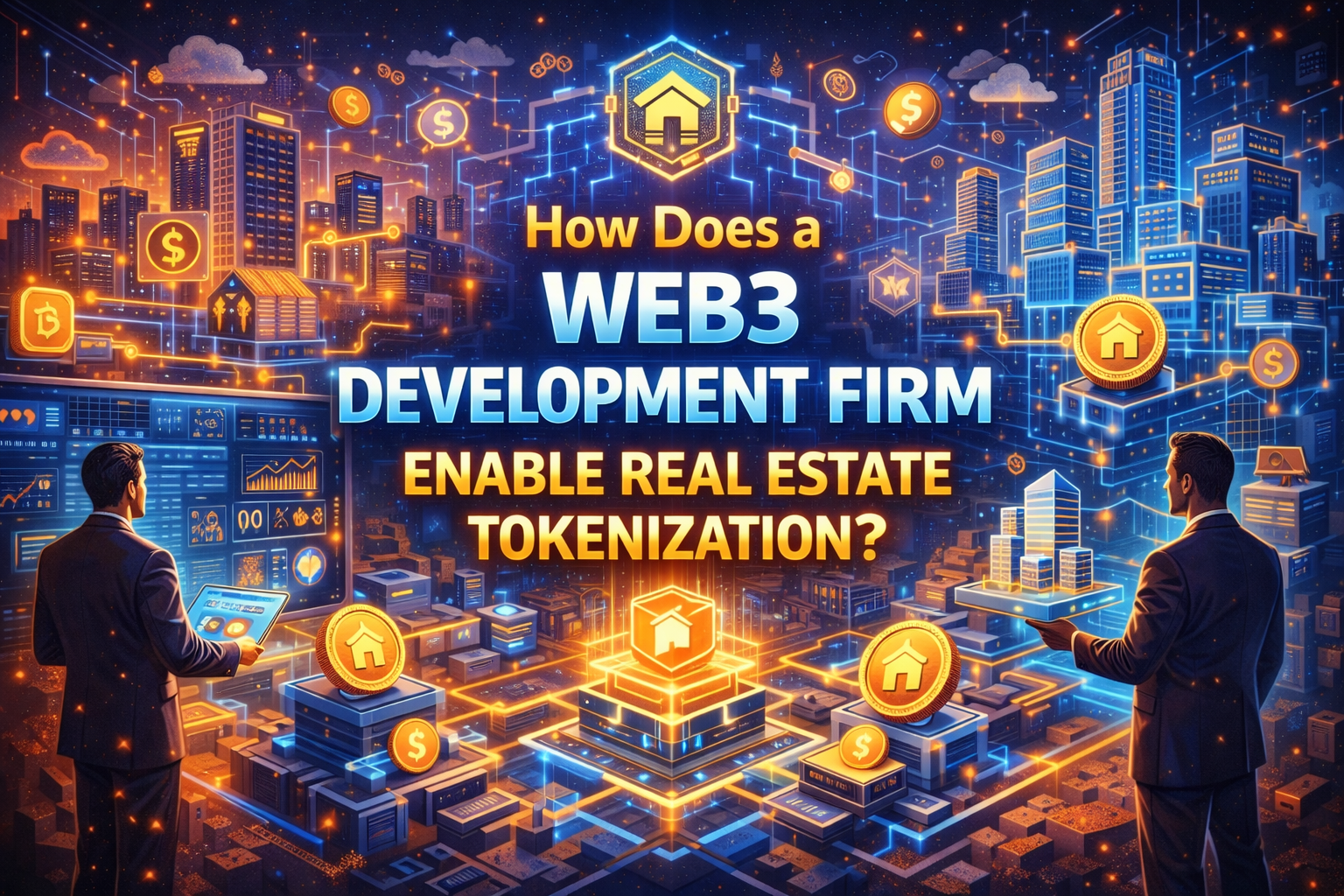
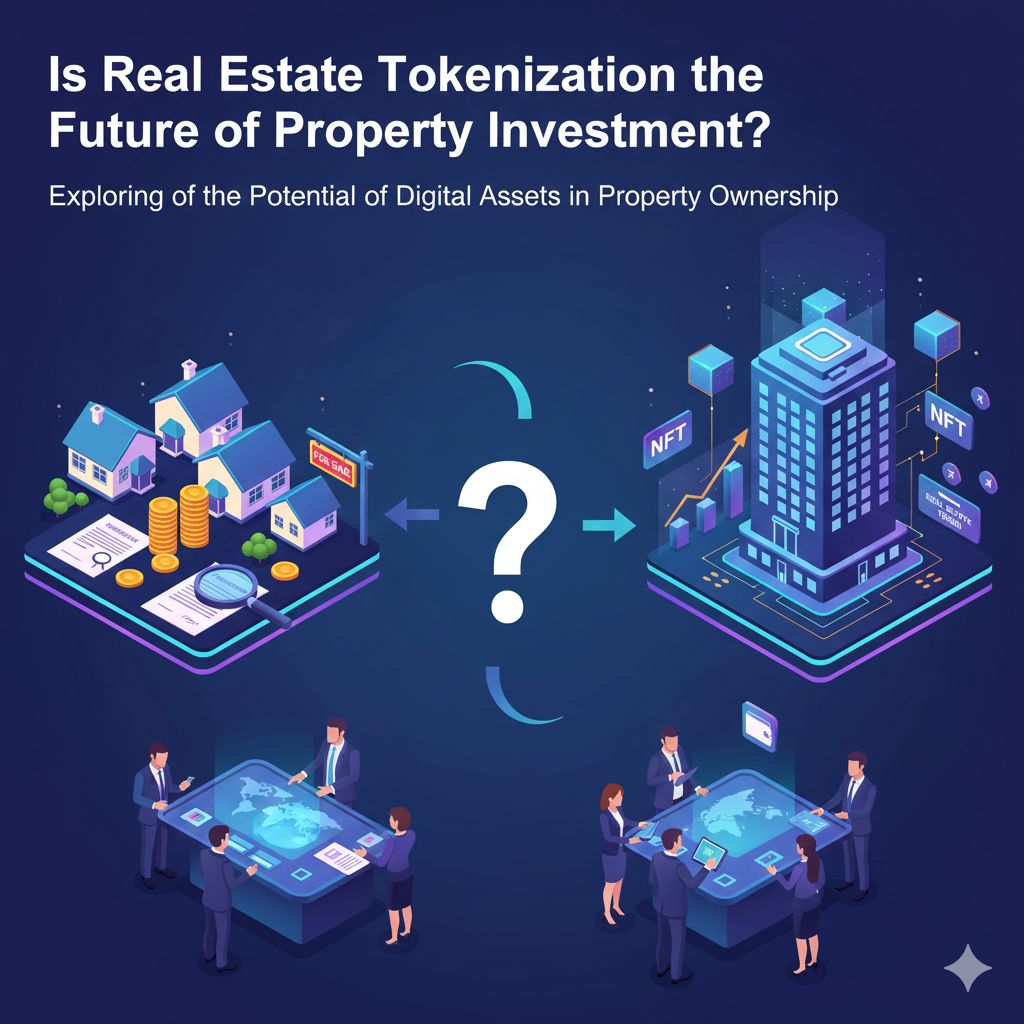
Real estate tokenization is the process of converting property ownership into digital tokens stored on a blockchain. These tokens work like shares, representing fractional ownership of a property. Instead of buying an entire building or apartment, investors can purchase smaller, affordable pieces.
By dividing ownership digitally, tokenization breaks down investment barriers and expands opportunities beyond traditional limitations. It also ensures that every transaction—from buying a token to receiving returns—is tracked on the blockchain, helping investors trust the process more.
Why Smart Contracts Matter
Smart contracts are digital agreements that execute automatically when conditions are met. They eliminate manual work, reduce human errors, and provide a secure foundation for tokenized real estate systems.
Since tokenization involves multiple parties—buyers, sellers, regulators, and property managers—smart contracts ensure everything runs smoothly. That’s why businesses rely on expert smart contract development services to build secure, scalable, and compliant systems.
How Smart Contracts Enhance Real Estate Tokenization
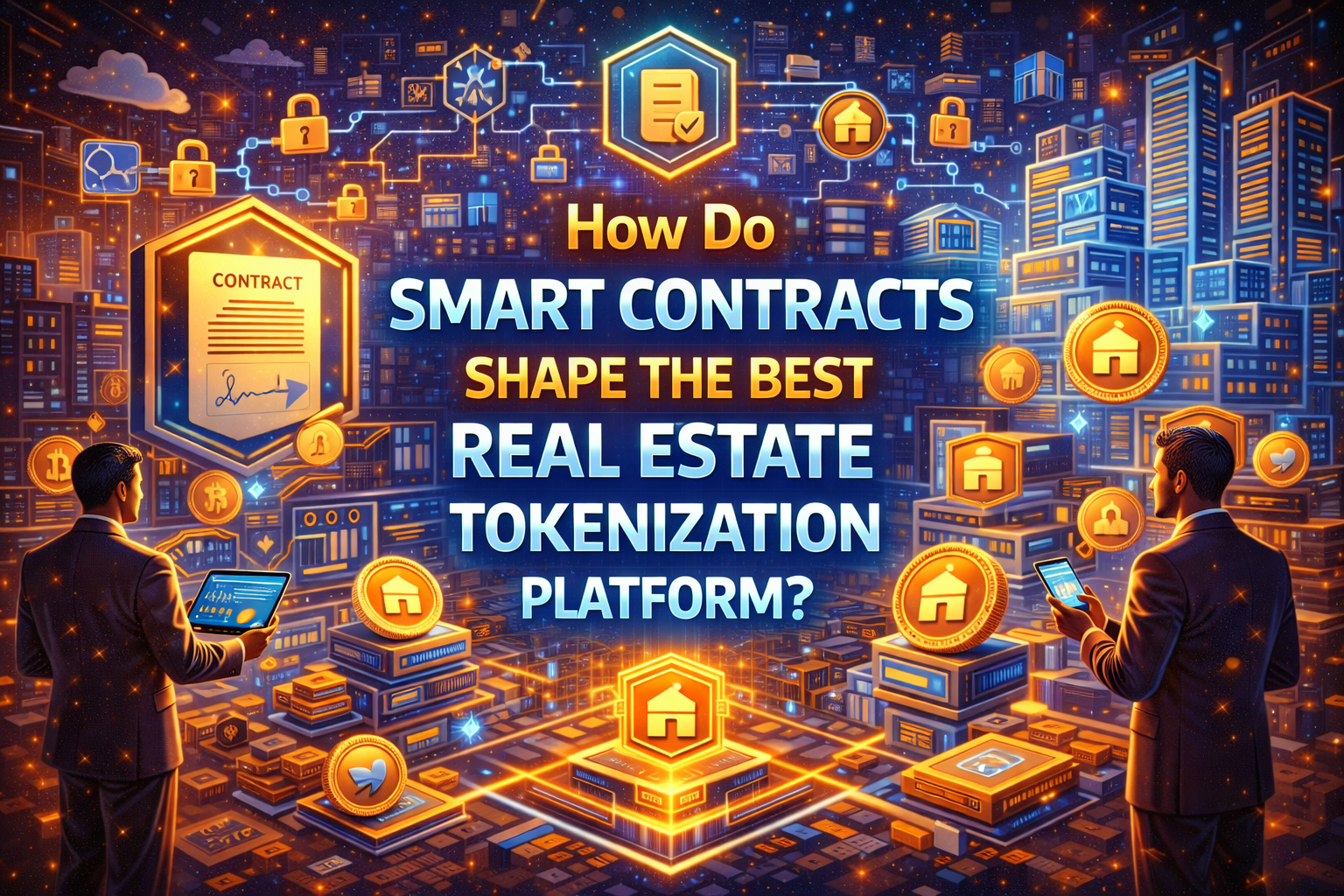
Smart contracts act as the operational engine behind tokenized real estate platforms. They automate processes, secure transactions, and maintain accurate ownership records. Their role becomes even more critical when dealing with investor payouts, token transfers, and regulatory checks.
Key roles smart contracts play:
Automated token minting
Seamless ownership transfers
Instant rental income distribution
Integrated KYC/AML verification
Error-free record tracking
These automated functions significantly reduce delays and help create a transparent investment environment.
Benefits of Real Estate Tokenization Powered by Smart Contracts
Tokenization supported by smart contracts brings several advantages to developers, investors, and property owners. While technology handles the technical complexity, users enjoy faster deals and a smoother investment process.
Major benefits include:
Increased liquidity for illiquid assets
Lower investment entry barriers
Global investor participation
Faster and more secure transactions
Transparent on-chain records
Reduced dependence on middlemen
These advantages make tokenized properties far more accessible than traditional real estate investments.
How Investors Benefit From Tokenization
For many investors, traditional real estate is costly and slow. Tokenization changes this by reducing the financial burden and minimizing paperwork. Instead of securing large loans or waiting for lengthy approvals, investors can directly buy tokens representing fractional ownership.
They also benefit from easier entry and exit. If an investor wants to sell their share, they can do it in minutes—something that isn’t possible with conventional property markets.
Why Businesses Need Smart Contract Development Services
Launching a tokenized real estate platform requires accurate coding, strong security, and legal understanding. That’s where specialized smart contract developers come in. They create frameworks that prevent fraud, manage token distribution, and enforce regulations automatically.
Smart contract development services typically include:
Custom contract architecture
Token standard creation (ERC-20, ERC-3643, ERC-1400)
Security audits
Integration with wallets and payment gateways
Regulatory compliance mechanisms
Ongoing upgrades and optimizations
This ensures the final platform is fast, secure, reliable, and ready for global usage.
Real-World Use Cases
Real estate tokenization isn’t limited to luxury properties or commercial buildings. It can be applied across nearly all asset types. From residential complexes to land parcels, tokenization expands investment opportunities and modernizes asset management.
Common use cases include:
Residential property tokenization
Fractional ownership of commercial buildings
Tokenized land plots
Real estate fundraising for developers
Modernized REIT-style investment systems
These applications help both large developers and small investors participate more efficiently in the real estate market.
Challenges in Tokenization and How Smart Contracts Overcome Them
Tokenization faces several challenges, such as regulatory differences, security risks, and limited awareness among traditional investors. Smart contracts solve many of these obstacles by enforcing rules automatically and ensuring transaction accuracy.
For example, regional compliance requirements can be coded directly into the smart contract. This guarantees that only qualified investors can purchase certain tokens, helping companies remain legally compliant without additional manual checks.
Similarly, robust smart contract audits prevent hacking attempts and protect investor funds.
The Future of Tokenized Real Estate
The future of tokenization looks promising as more investors shift toward digital assets and global markets grow more connected. With the support of AI, blockchain scalability improvements, and advanced smart contract development services, tokenized real estate is expected to become a mainstream investment method.
It may soon become normal for people to invest in properties across the world with just a few clicks, without dealing with brokers or complicated legal steps. Tokenization is reshaping the entire industry, making real estate more dynamic and investment-friendly than ever before.
Conclusion
Real estate tokenization and smart contracts are transforming how people buy, sell, and own property. Tokenization unlocks accessibility and liquidity, while smart contracts ensure accuracy, compliance, and automation. Together, they create a modern real estate ecosystem that is transparent, fast, and globally accessible.
Whether you're a developer planning to tokenize assets or an investor seeking smarter opportunities, adopting smart contract development services can help you stay ahead in the evolving world of blockchain-powered real estate.




Write a comment ...