
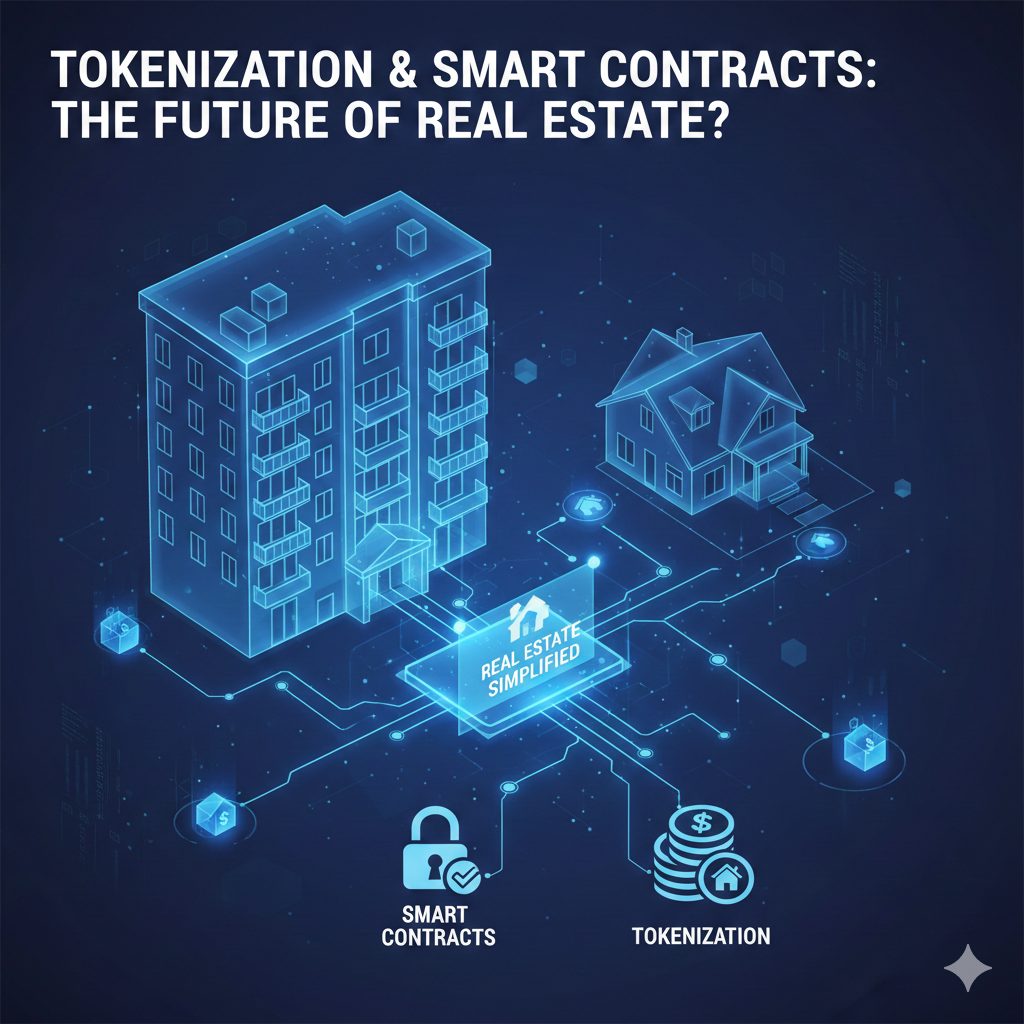
Real estate has traditionally been one of the most stable investment classes, yet it has always posed challenges such as high entry costs, limited liquidity, and complex legal procedures. Enter real estate tokenization, a blockchain-based solution that is transforming how property ownership and investment work. By converting property assets into digital tokens, investors can buy, sell, and trade fractional ownership more efficiently, making real estate accessible to a broader audience.
What Is Real Estate Tokenization?
Real estate tokenization is the process of converting ownership rights of a property into digital tokens on a blockchain. Each token represents a share of the property, allowing multiple investors to participate without owning the entire asset.
Tokenization brings several advantages:
Fractional ownership for smaller investments
Transparent and immutable records on blockchain
Faster transactions with reduced intermediaries
Potential revenue sharing from rental income or resale
By leveraging blockchain, tokenization ensures security, transparency, and trust for both investors and property owners.
How Real Estate Tokenization Works
The process of tokenizing real estate typically involves several key steps:
Property Selection & Valuation – Identifying and evaluating a property suitable for tokenization.
Legal Structuring – Ensuring compliance with property and securities laws.
Token Creation – Issuing digital tokens that represent fractional ownership.
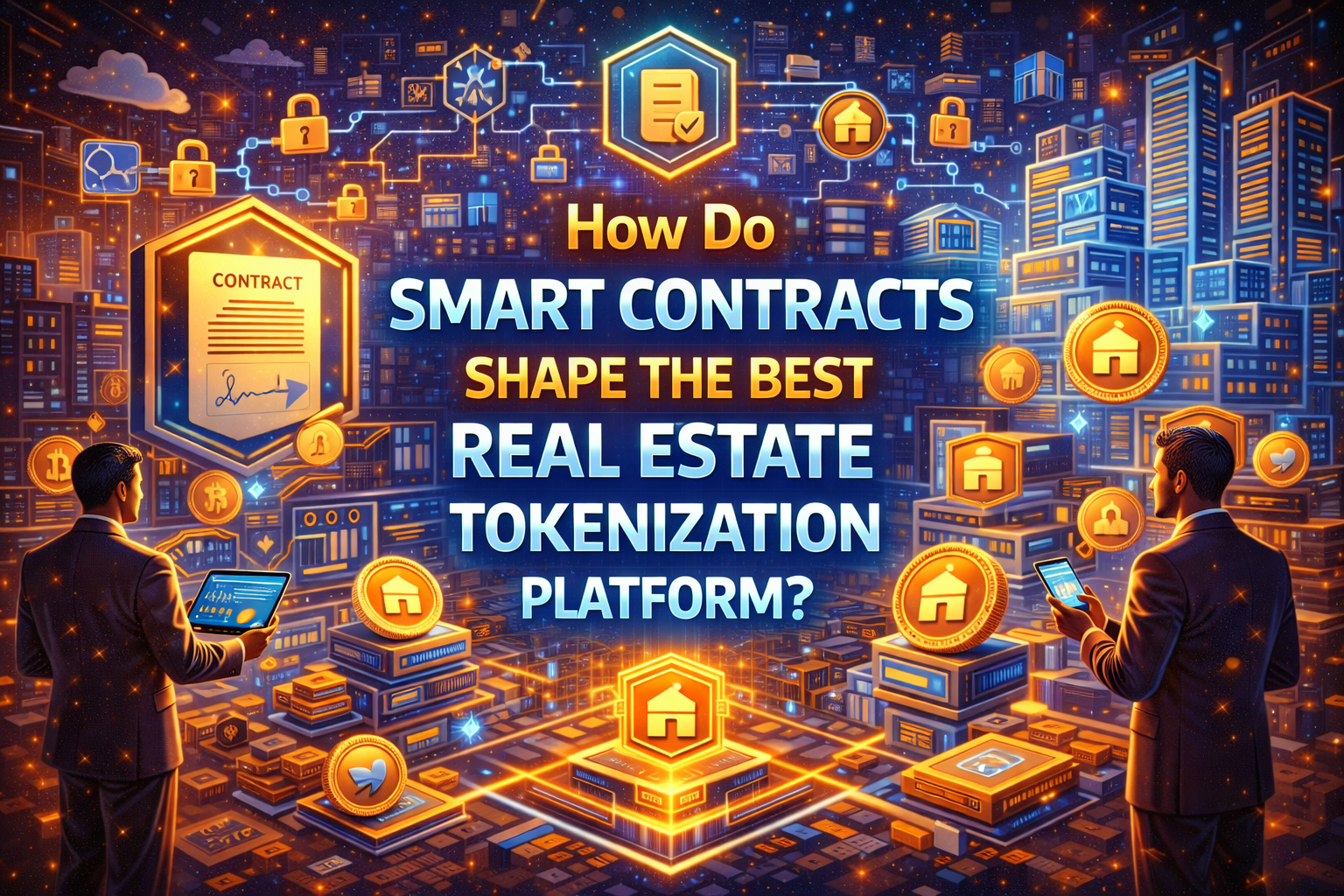
Smart Contracts – Automating ownership, transfers, and revenue distribution.
Distribution & Trading – Offering tokens to investors and allowing secondary market trading.
This structured approach ensures that tokenized real estate functions like a traditional investment but with added flexibility and liquidity.
Benefits of Real Estate Tokenization
Fractional Ownership
Tokenization allows investors to own small portions of high-value properties. This lowers entry barriers, making real estate investment accessible to retail investors who previously couldn’t participate.
Improved Liquidity
Traditional real estate is illiquid, often taking months to sell. Tokenized assets can be traded faster on digital platforms, providing investors with better exit options.
Global Accessibility
Investors worldwide can participate without being physically present. Tokenization opens real estate investment to a global audience, creating more opportunities for diversification.
Transparency and Security
Blockchain ensures all transactions are recorded immutably, reducing the risk of fraud. Smart contracts automate processes like rental income distribution, improving efficiency and trust.
Use Cases of Real Estate Tokenization
Real estate tokenization can be applied across multiple property types:
Residential properties – Apartments, condos, and housing units
Commercial real estate – Office spaces, retail outlets, and warehouses
Rental income properties – Sharing profits with token holders
Vacation or hospitality properties – Fractional ownership for short-term rentals
Real estate investment funds – Tokenized shares in property portfolios
These applications show that tokenization is versatile and can fit many investment models.
Challenges of Real Estate Tokenization
Despite its advantages, tokenization faces some hurdles:
Regulatory uncertainty – Laws vary across jurisdictions, especially regarding tokenized securities.
Limited secondary markets – Trading platforms for tokens are still emerging.
Investor education – Many investors are not familiar with blockchain-based property ownership.
Integration with traditional systems – Legal and banking infrastructure may lag behind.
Addressing these challenges is key to mainstream adoption.
Why Real Estate Tokenization Could Be the Future
The advantages of fractional ownership, global accessibility, transparency, and liquidity position tokenization as a potential game-changer in real estate. Investors no longer need massive capital to access lucrative properties, and developers can attract funding faster.
As blockchain adoption grows and legal frameworks become clearer, tokenized real estate is likely to become a standard investment option rather than a niche solution.
Frequently Asked Questions (FAQs)
What is real estate tokenization?
It is the process of converting property ownership into digital tokens on a blockchain, allowing fractional ownership and easier trading.
Is real estate tokenization legal?
Yes, in jurisdictions with clear regulatory frameworks. Compliance with property and securities laws is essential.
Can small investors participate in tokenized real estate?
Absolutely. Fractional ownership lowers entry barriers, making property investment accessible to retail investors.
How secure are tokenized real estate investments?
Blockchain provides transparency and immutability, but investors should verify legal structures and platform reliability.
Can token holders earn rental income?
Yes. Many tokenized properties distribute income to holders via smart contracts.
Final Thoughts
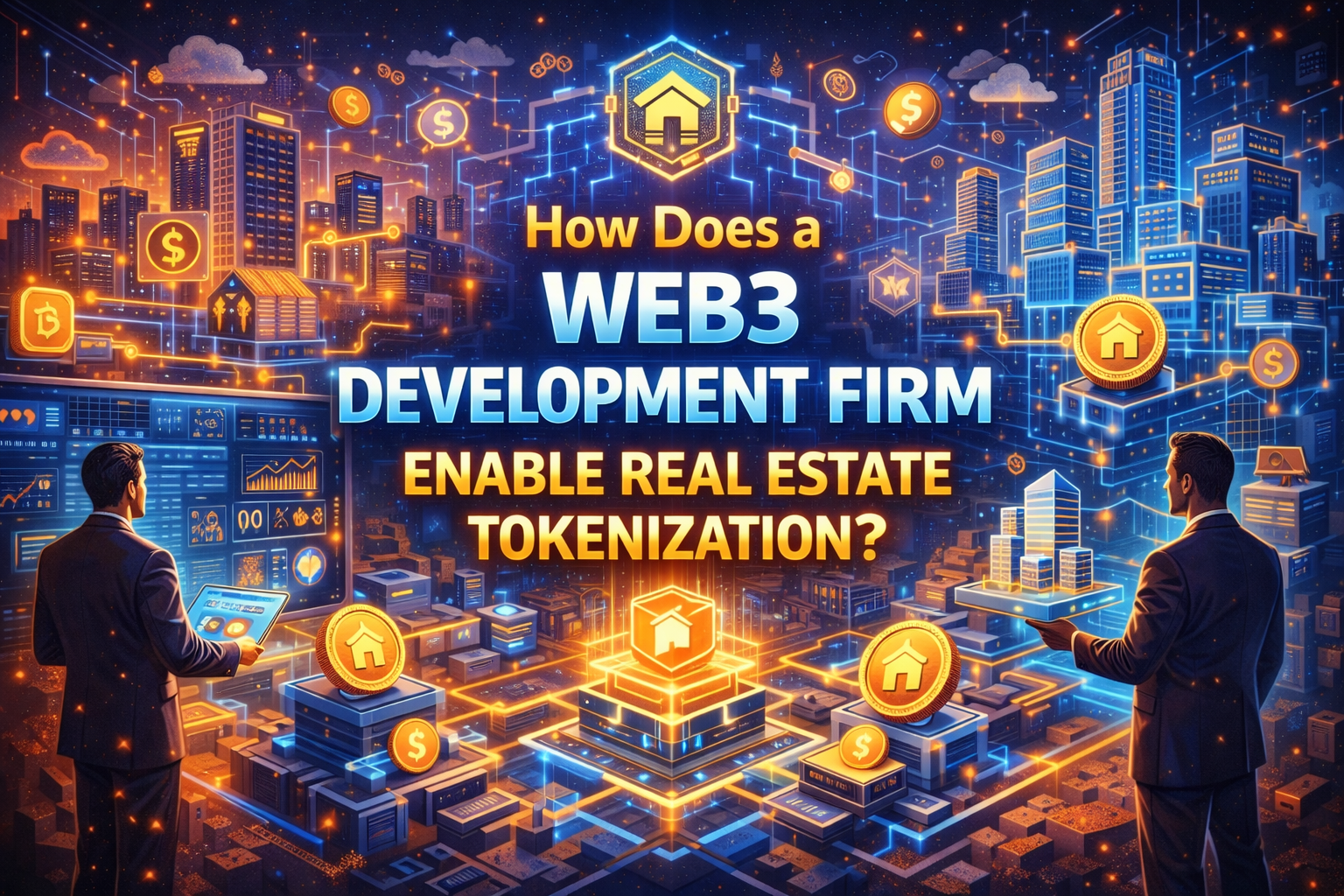
Real estate tokenization is redefining property investment by combining the stability of real estate with the flexibility of blockchain. Fractional ownership, improved liquidity, and global access make it an attractive solution for both investors and developers, and partnering with a trusted Web3 development agency ensures secure tokenization, regulatory compliance, and seamless platform functionality. With growing blockchain adoption, tokenization is poised to become the future of property investment, making real estate more inclusive, transparent, and efficient for everyone.








Write a comment ...