
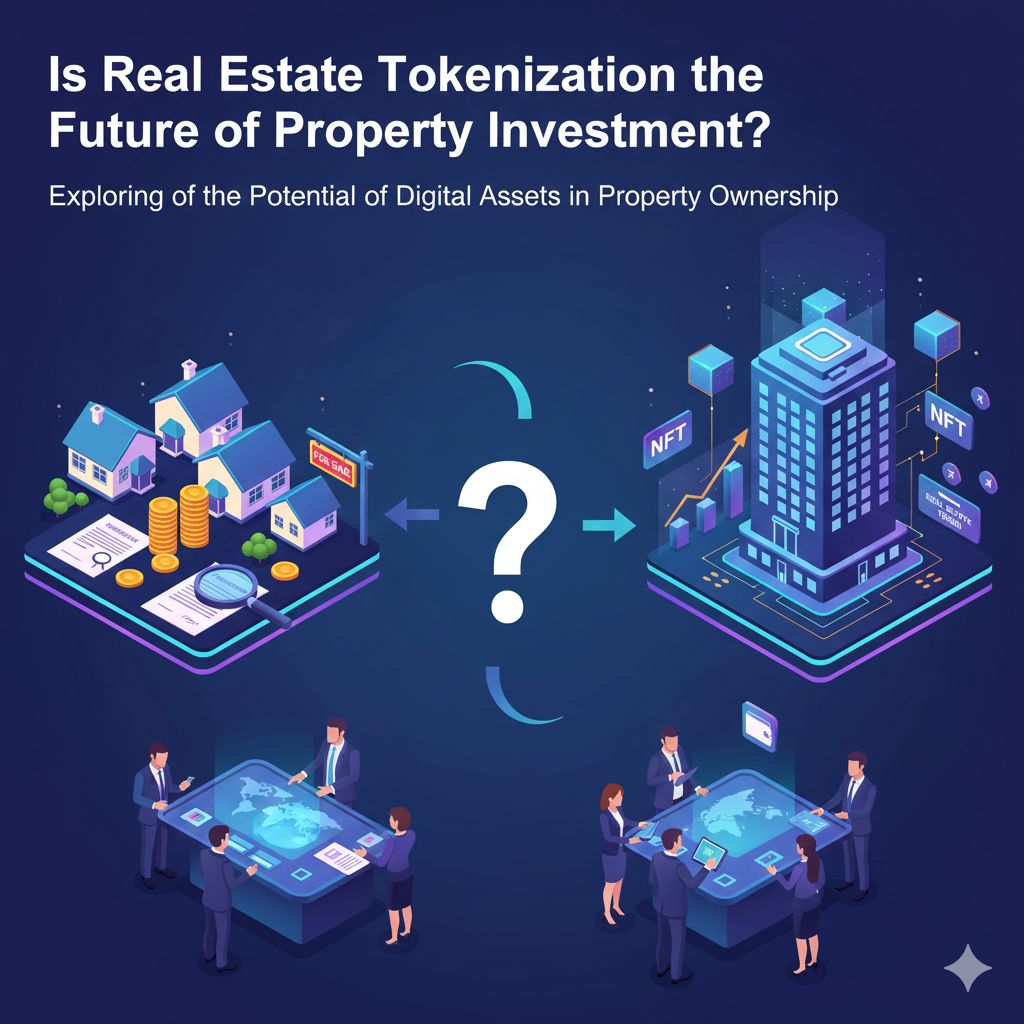
Real estate tokenization is transforming property investment by bridging traditional real estate with blockchain technology. Tokenization allows physical properties to be converted into digital tokens, representing ownership or economic rights, and enabling fractional investment, improved liquidity, and global investor participation. With growing interest in tokenized assets, selecting the best real estate tokenization platform is critical for investors, developers, and businesses seeking efficiency and transparency.
The right platform determines the success of tokenization, impacting security, compliance, scalability, and investor trust. Understanding what defines a reliable platform helps businesses make informed decisions in an increasingly competitive Web3 environment.
Understanding Real Estate Tokenization Platforms
A real estate tokenization platform is a blockchain-based system designed to digitize property assets into tradable tokens. These platforms manage the lifecycle of tokenized assets, including token creation, ownership management, revenue distribution, and compliance processes.
The best platforms act as a bridge between traditional property systems and decentralized blockchain infrastructure. They simplify complex real estate transactions while maintaining security, transparency, and efficiency for all stakeholders involved.
Evaluating Blockchain Technology and Infrastructure
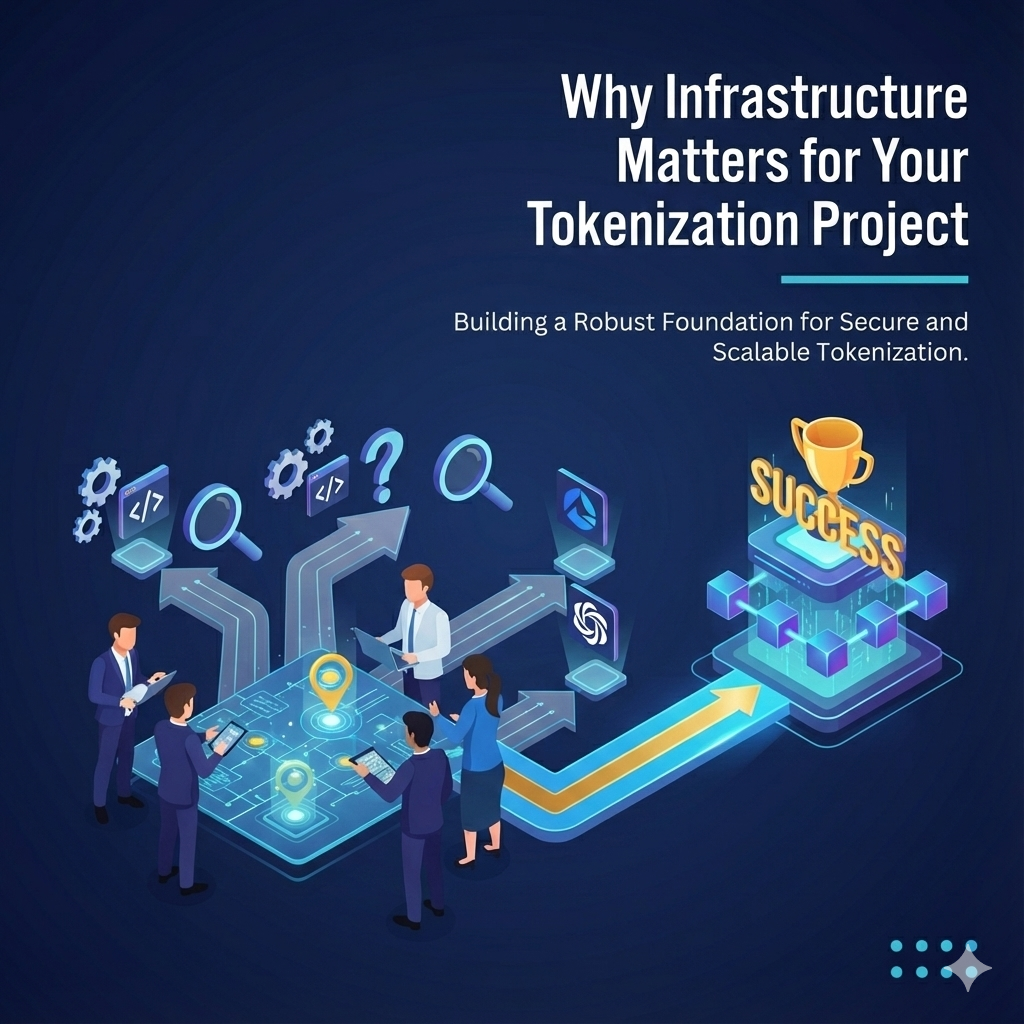
Blockchain infrastructure is one of the most critical considerations when choosing a real estate tokenization platform. A strong platform should support secure, scalable blockchain networks capable of handling high transaction volumes and low latency.
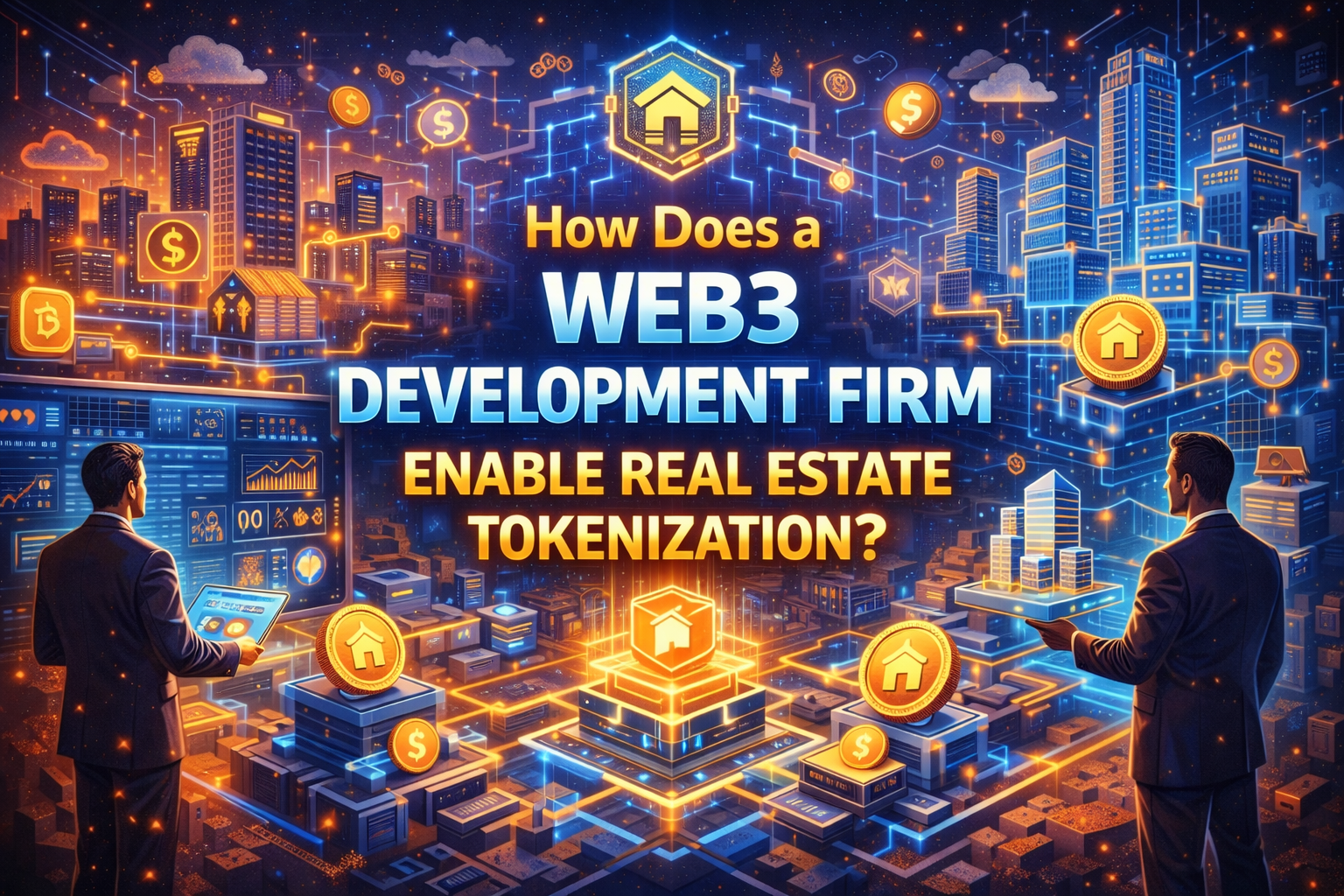
Modern platforms often integrate multi-chain solutions or Layer-2 networks to improve efficiency and reduce costs. Working with a trusted Web3 development partner, such as Chainbull ensures that the platform is built on a robust, future-ready blockchain foundation that can adapt to evolving industry needs.
Security and Smart Contract Reliability
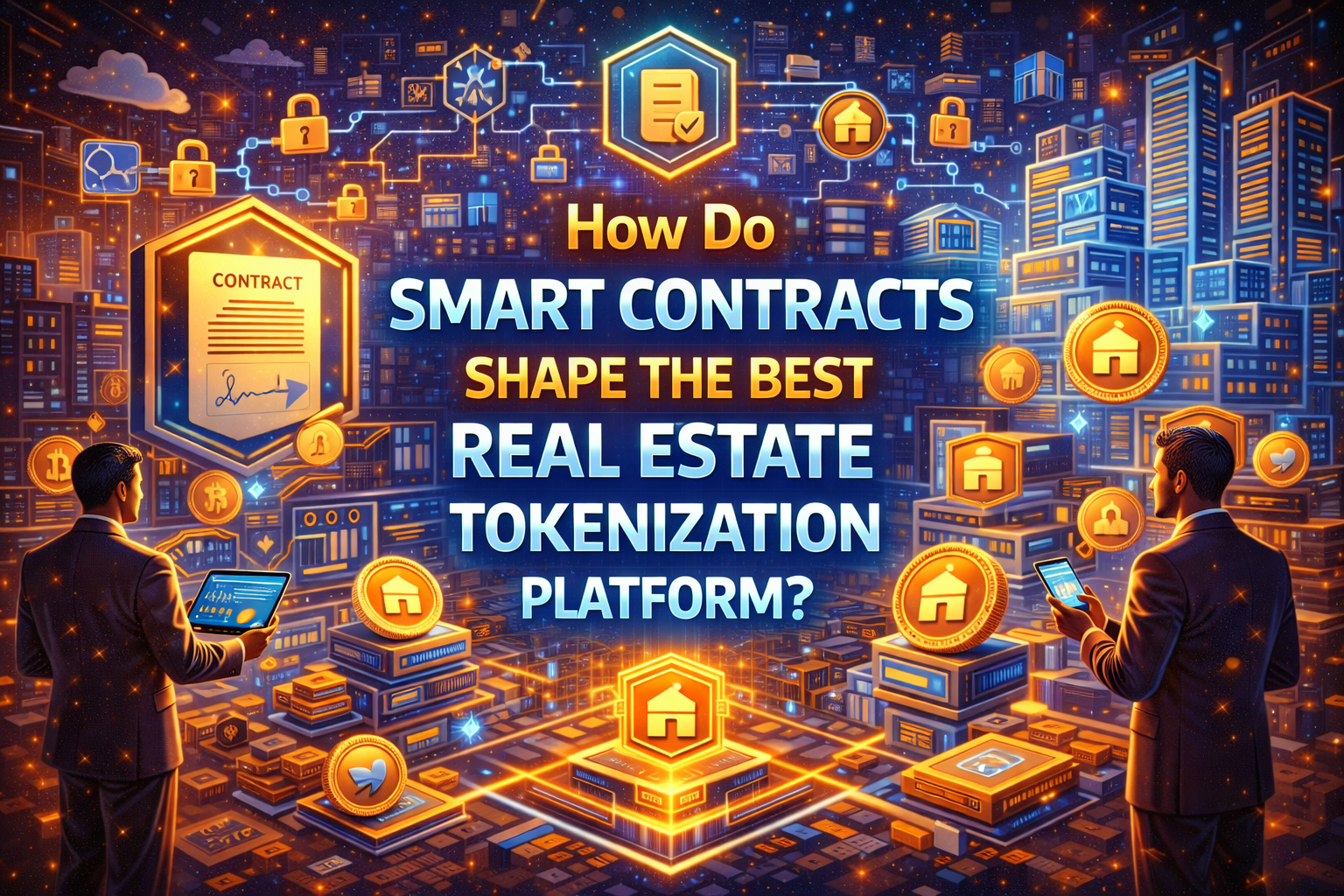
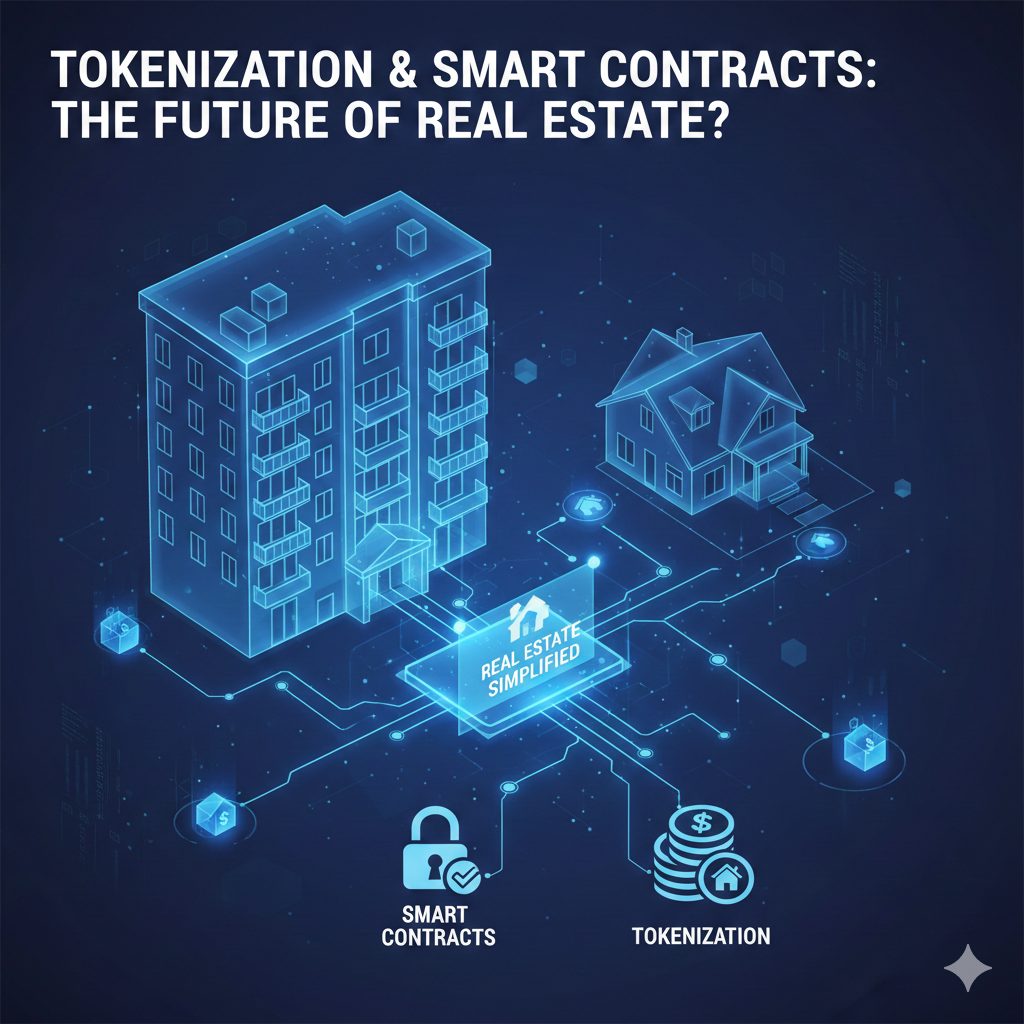
Security is a non-negotiable requirement in real estate tokenization. The best platforms use audited smart contracts to automate ownership transfers, revenue distribution, and compliance verification, reducing the risk of fraud or errors.
Smart contracts also minimize reliance on intermediaries and increase transparency. Platforms built with strong security protocols and expert guidance provide investors with confidence in both the technology and the assets being tokenized.
Compliance and Regulatory Readiness
Regulatory compliance is crucial to the success of tokenized real estate. Depending on jurisdiction, tokenized assets may be considered securities or subject to specific property regulations.
A robust platform integrates legal structuring, KYC/AML verification, and jurisdiction-specific compliance measures into its design. This approach ensures that tokenized properties operate legally, maintain investor trust, and support institutional adoption.
User Experience and Platform Functionality
Investor engagement is heavily influenced by platform usability. The best real estate tokenization platform offers intuitive dashboards, smooth onboarding processes, and clear asset management tools.
Features like fractional ownership management, automated dividend distribution, and real-time transaction tracking enhance transparency and provide a seamless experience. Partnering with an experienced development team like Chainbull ensures that technical sophistication and user-friendly design go hand-in-hand.
Scalability and Long-Term Growth Potential
As tokenized real estate adoption grows, scalability becomes a key factor. The ideal platform can support a growing number of investors, multiple asset types, and cross-border participation without performance degradation.
Scalable architecture allows the platform to adapt to regulatory updates, blockchain innovations, and increased market demand, ensuring that businesses remain competitive as the real estate tokenization market expands.
Final Thoughts
Selecting the best real estate tokenization platform requires careful evaluation of technology, security, compliance, usability, and scalability. A well-built platform can unlock new investment opportunities, improve liquidity, and enhance transparency across property markets.
With the right technology and development expertise, businesses can successfully enter the tokenized real estate space and capitalize on the benefits of blockchain-enabled property investment.











Write a comment ...