
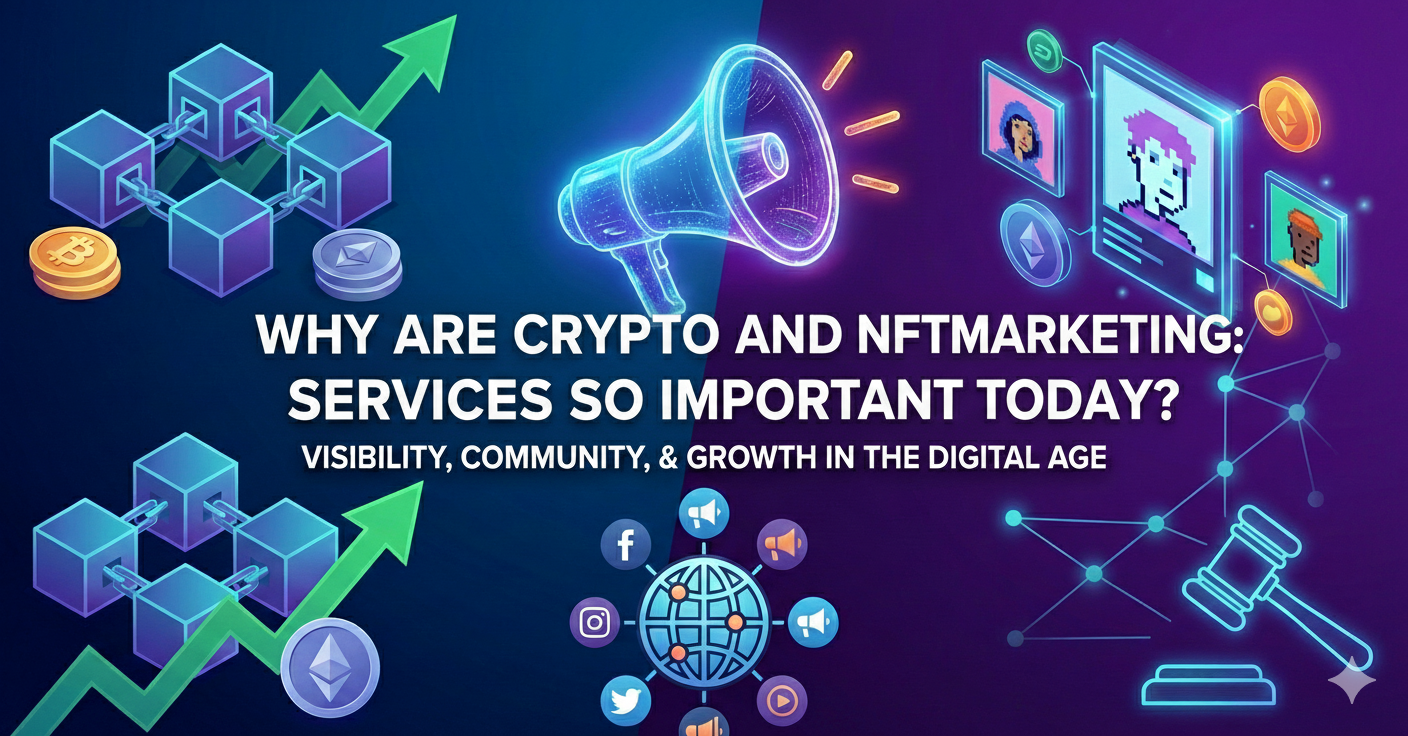
The world of digital assets has never been as dynamic and fast-moving as it is today. What began as a quirky trend of digital art collectibles has evolved into a sophisticated ecosystem of technology, utility, branding, and community. As industries step deeper into Web3, NFTs are emerging as one of the most powerful tools for engagement, identity, ownership, and monetization. Yet a striking reality remains: launching a successful NFT project today requires far more than simply minting tokens and hoping they sell. It demands a strong foundation built through professional NFT development services, paired with an equally powerful layer of strategic NFT marketing. Together, they form the engine that drives sustainable success in the competitive NFT environment.
Over the past few years, we’ve seen NFT projects that soared within hours and collapsed just as quickly. The reason behind these extremes is often the same—projects that rely solely on hype fail once the excitement fades, and projects built with great tech but no visibility never get the attention they deserve. This is precisely why the next big wave in the Web3 space will belong to brands, creators, and businesses that understand the importance of balancing development quality with long-term marketing strategy. This alignment isn’t optional anymore; it’s the key to survival.
To understand the true power of this combination, we must look at what modern users expect from NFTs. Early adopters were satisfied with simple artwork and speculative value. Today’s users, however, demand utility, transparency, and a sense of belonging. They want perks such as memberships, exclusive access, on-chain identity, gaming advantages, or participation in decentralized communities. They want clear communication, consistent updates, and trustable technology. This shift has changed the role of developers and marketers alike, creating a landscape where both sides must work hand in hand from the very beginning.
Professional NFT development services now go far beyond coding smart contracts. Development involves designing experiences, enabling real-world use cases, optimizing blockchain transactions, ensuring security, and building systems that can scale. A well-structured NFT project starts with conceptual planning—understanding the project’s purpose, identifying the audience, defining utility, and determining how blockchain will support those goals. Developers must then create robust smart contracts, usually audited for security, and deploy them on the right blockchain. The choice of blockchain itself can affect cost, accessibility, and audience size. Platforms like Ethereum remain dominant for high-end collections, while chains like Polygon and Solana offer speed and lower transaction fees.
Another important aspect of development is user experience. Many users entering the NFT space are not blockchain experts. They need smooth minting processes, intuitive websites, easy wallet connectivity, and clear project instructions. NFT development services often include building custom minting platforms, integrating marketplace features, adding dashboards for holders, and creating utility-driven systems such as staking, token-gated portals, and reward mechanisms. Without these foundations, even the most beautiful NFT collection may struggle to attract serious buyers or retain existing holders.
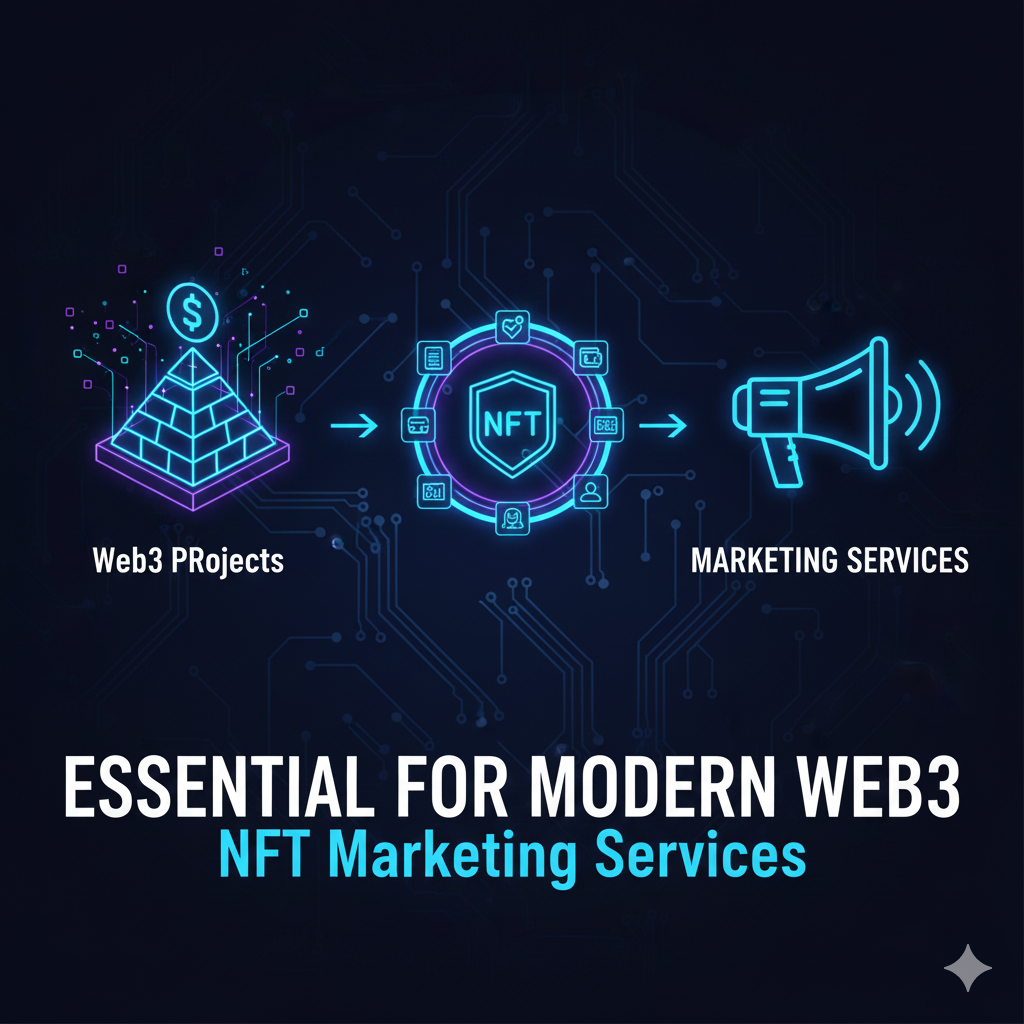
But even when a project is developed flawlessly, it cannot gain traction without visibility. This is where NFT marketing becomes a vital companion to development. The marketing landscape for NFTs is unlike traditional marketing because it revolves around community, storytelling, transparency, and emotional connection. In Web3, people don’t just buy a product—they buy into an idea, a team, and a shared vision. Effective NFT marketing must capture this through consistent communication and strategic branding.
Marketing begins long before the launch. It involves shaping the project’s identity and communicating it clearly through platforms like X/Twitter, Discord, Telegram, and Instagram. These channels serve as the heart of Web3 communities, where users interact directly with founders, learn about project updates, and participate in events. A strong NFT marketing strategy builds anticipation through teasers, behind-the-scenes looks, lore development, AMAs, and content that adds value rather than just hype. The goal is to create a community that is genuinely excited and aligned with the project’s mission.
Influencer and KOL (Key Opinion Leader) collaborations also play a crucial role in NFT marketing. Influencers help amplify visibility and lend credibility, but choosing the right ones is essential. A single shoutout from a relevant influencer can spark huge interest, but partnering with the wrong one can lead to temporary hype with no long-term engagement. Effective marketing strategies focus on meaningful partnerships, where influencers understand the project and speak to audiences who are truly interested in NFTs.
Public relations is another pillar of NFT marketing. Well-crafted articles, press releases, interviews, and media features help educate the wider Web3 community about a project’s purpose and value. PR builds trust and provides clarity, ensuring people understand not just what the project is, but why it matters. Without strong communication, even innovative ideas remain hidden from potential supporters.
The real challenge—and the real beauty—lies in integrating development and marketing so they support each other naturally. When developers and marketers collaborate from day one, the project becomes cohesive. Development teams build features based on community expectations, while marketing teams communicate value based on real technical strengths. The result is a project that feels authentic, aligned, and capable of sustainable growth.
For example, when a project introduces utility such as staking or access to exclusive content, marketing ensures users understand how to use it and why it matters. When developers release updates or new features, marketers keep the community engaged with announcements, walkthroughs, and events. This continuous cycle strengthens the relationship between the project and its holders, creating long-term loyalty instead of short-lived hype.
As the NFT ecosystem grows, more industries are stepping in. Artists, influencers, fashion brands, entertainment companies, gaming studios, real estate businesses, and even educational institutions are exploring Web3. This expansion means competition will increase, but so will the opportunities. The next generation of NFTs will be driven by utility, storytelling, and community—and only projects that invest in high-quality development and strategic marketing will thrive.
If you are planning to enter the NFT space, now is the ideal time to prepare. The hype-driven phase of NFTs is fading, making room for thoughtful, value-driven projects. With the right balance of NFT development services and NFT marketing, you can create a project that stands out, resonates with its audience, and grows into a sustainable digital brand. This next big wave in NFTs is not just about innovation; it’s about alignment, strategy, and long-term vision.




Write a comment ...